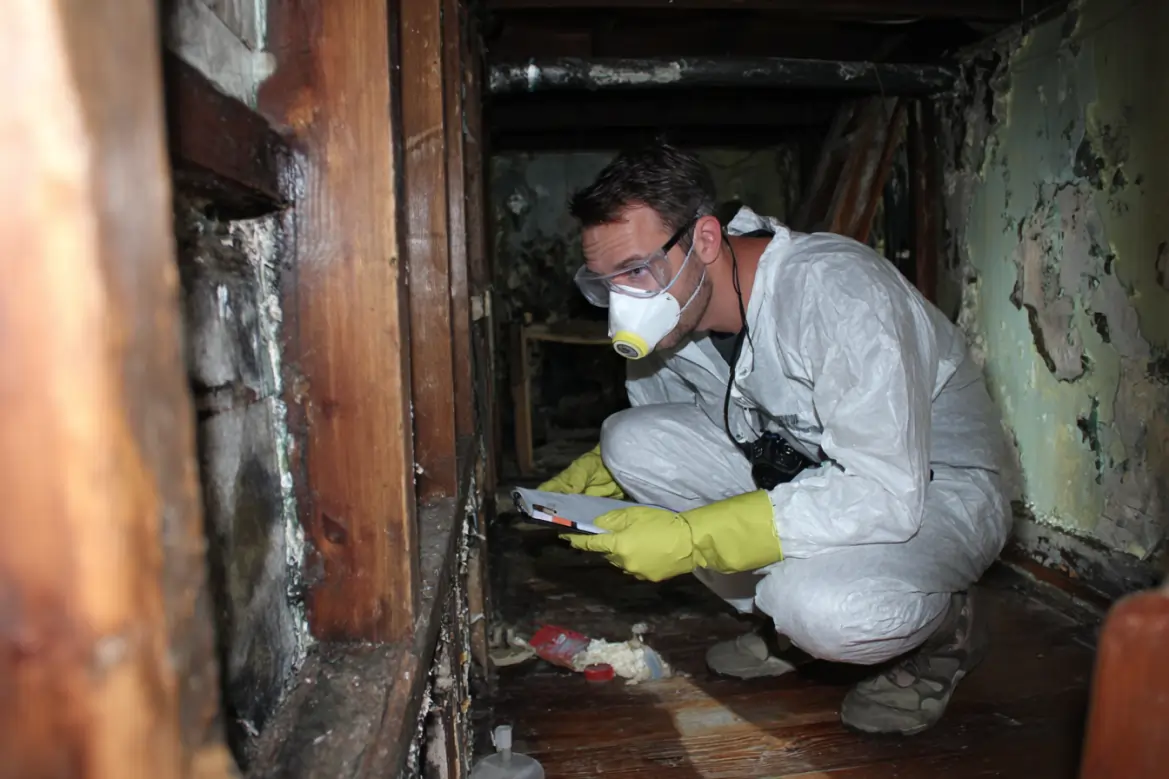
 1. Inspection and Assessment
- The first step in the mold remediation process is a thorough inspection of the property. This involves:
- Identifying visible mold.
- Testing air and surface samples to detect hidden mold spores.
- Determining the extent and type of mold, as some types can pose greater risks.
- Professionals use tools like moisture meters, thermal imaging cameras, and air quality monitors during this phase.
2. Containing the Mold
- Once the affected areas are identified, containment measures are implemented to prevent the spread of mold spores. This includes:
- Sealing off contaminated areas with plastic sheeting.
- Using negative air pressure systems to ensure spores do not travel to unaffected spaces.
- Proper containment is crucial to avoid cross-contamination.
3. Air Filtration
- Specialized air filtration equipment such as HEPA (High-Efficiency Particulate Air) filters is used to capture airborne mold spores.
- Negative air machines work continuously during the remediation process to maintain clean air quality within the property.
4. Removing Mold-Infested Materials
- In cases of severe contamination, porous materials like drywall, carpeting, or insulation that cannot be salvaged are removed and properly disposed of.
- Non-porous surfaces are cleaned using antimicrobial solutions or other specialized cleaning agents.
| Material | Action |
| Drywall | Replace if severely contaminated |
| Carpeting | Remove if mold penetrates fibers |
| Wooden Surfaces | Clean and sand if salvageable |
| Metal and Glass | Wipe with antimicrobial solution |
5. Cleaning and Sanitizing
- All surfaces and contents in the affected area are cleaned thoroughly. Strategies may include:
- Vacuuming with HEPA-filtered vacuums.
- Wiping down surfaces with specialized cleaning solutions.
- Applying biocides to prevent future mold growth.
6. Addressing the Source of Moisture
- Mold thrives in damp environments. To prevent recurrence, it’s critical to resolve any underlying moisture issues, such as:
- Fixing leaks in pipes, roofs, or windows.
- Addressing poor ventilation in humid areas like bathrooms and basements.
- Installing dehumidifiers where needed.
7. Restoration and Repairs
- Once the mold has been removed and the area is thoroughly cleaned, the final step is to restore the property. This may involve:
- Replacing drywall, flooring, or insulation.
- Repainting walls or refinishing surfaces.
- Restoration ensures the property is returned to its pre-mold condition.
Key Considerations During Mold Inspection Vero Beach FL
- Professional Expertise: While some minor cases of mold can be addressed with DIY methods, extensive infestations require professional remediation to ensure safety and effectiveness.
- Health and Safety: Mold exposure can lead to respiratory issues, allergies, and other health complications. Always wear protective gear if attempting any cleanup yourself.
- Preventive Measures: After remediation, consider implementing preventive steps such as regular inspections, improved ventilation, and consistent humidity control.
By following these essential steps, mold remediation can effectively eliminate existing infestations and safeguard your property and health from future issues.
Understanding Mold Remediation in Vero Beach FL: Does It Include Replacing Contaminated Drywall?
Mold contamination in drywall is a common problem, especially in areas with high humidity, water damage, or poor ventilation. Whether or not the mold remediation process includes replacing contaminated drywall depends on the extent of the infestation and the condition of the affected material. Here’s an in-depth look at what you can expect regarding drywall replacement during mold remediation.
When Is Drywall Replacement Necessary During Water Damage Restoration Vero Beach FL
- Extensive Damage: If the mold growth has penetrated deeply into the drywall or spread across a large area, removal and replacement are necessary to eliminate contamination.
- Structural Compromise: Mold can weaken drywall over time. If it no longer maintains its structural integrity, replacing it ensures safety and longevity.
- Black Mold Presence: Toxic molds such as Stachybotrys chartarum (commonly referred to as black mold) often require full removal of affected materials for effective remediation.
- Water Damage: Long-term exposure to moisture often leads to irreparable damage in drywall that fosters mold growth.
Steps Involved in Mold Remediation Vero Beach FL: Replacing Contaminated Drywall
- Identify all areas affected by mold using moisture meters and visual inspections.
- Determine whether partial or full replacement of sections is required.
- Set up containment zones using plastic sheeting and negative air pressure systems to prevent mold spores from spreading during removal.
- Carefully cut out and remove damaged sections while minimizing disruption to adjacent materials.
- Dispose of contaminated materials following local regulations for hazardous waste.
- Clean surrounding surfaces with antimicrobial solutions to kill residual spores.
- Address any underlying causes, such as leaks or ventilation issues, before proceeding further.
- Replace removed sections with new drywall that matches existing wall material.
- Seal gaps properly to ensure no future moisture intrusion.
- Sand, prime, and paint newly installed drywall for a seamless appearance.
- Verify that all moisture issues have been resolved to prevent recurring problems.
Top Reasons to Choose Vero Beach FL Mold Remediation for Damaged Drywall
| Benefit | Description |
| Health Safety | Eliminates sources of harmful allergens and toxins associated with mold exposure. |
| Long-Term Effectiveness | Prevents future outbreaks by removing deeply ingrained spores in porous materials like drywall. |
| Aesthetic Improvement | Restores walls to their original condition without unsightly stains or discoloration from mold. |
How to Handle Mold Remediation Vero Beach FL Without Full Replacement
- Cleaning methods are only effective if the damage has not penetrated beyond surface layers.
- Painted or sealed drywall may respond better to cleaning than untreated materials.
Expert Tips for Mold Removal Vero Beach FL: Dealing with Mold-Damaged Drywall
Addressing mold-contaminated drywall promptly is critical for maintaining both structural integrity and indoor air quality in your home or property. While partial remediation methods may suffice for small-scale infestations, heavily impacted areas almost always require professional removal and replacement for successful long-term results. Always consult qualified experts when determining how best to handle mold-damaged drywall within your space.
Does a Mold Specialist Vero Beach FL Replace Contaminated Drywall During Remediation?
Mold remediation is a multi-step process designed to address mold growth and its underlying causes. One question homeowners often ask is whether the process includes replacing contaminated drywall. The short answer is: it depends on the severity of the mold infestation and the extent of the damage. Below, we’ll explore when drywall replacement is necessary, why it matters, and what to expect during this part of the remediation process.
When Is Drywall Replacement Necessary?
- Extensive Mold Growth: If mold has spread across large sections of drywall, cleaning may not be sufficient to remove all mold spores.
- Structural Damage: When drywall becomes weak or compromised due to prolonged exposure to moisture, it can no longer support its intended function.
- Inability to Clean Porous Surfaces: Drywall is porous, meaning mold spores can penetrate deep into its structure. If cleaning efforts can’t effectively eliminate contamination, replacement ensures complete removal.
- Health Hazards: If mold growth poses a significant health risk—such as black mold (Stachybotrys chartarum)—replacing affected materials is often recommended to ensure safety.
Steps Involved in Replacing Mold-Contaminated Drywall
- Identify all areas affected by mold growth.
- Use moisture meters or infrared cameras to detect hidden moisture sources behind walls.
- Set up containment zones using plastic sheeting and negative air pressure systems to prevent mold spores from spreading.
- Carefully cut out and remove affected sections of drywall.
- Bag and seal contaminated materials in accordance with local disposal regulations.
- Repair any water leaks or sources of excess moisture.
- Inspect insulation behind drywall and replace if mold-affected.
- Install new, mold-resistant drywall panels.
- Tape, finish, and paint to restore walls to their original condition.
Benefits of Replacing Mold-Contaminated Drywall
- Eradicates Mold Completely: Removing contaminated drywall ensures no residual mold spores remain that could re-infest your home.
- Prevents Structural Complications: Weak or damaged drywall is replaced with durable materials for long-lasting results.
- Improves Air Quality: Eliminating moldy materials enhances indoor air quality by reducing allergens and irritants.
- Restores Aesthetic Value: Freshly installed drywall eliminates visible mold stains and restores your wall’s appearance.
Costs of Mold-Contaminated Drywall Replacement
| Factor | Description |
| Extent of Damage | Larger infestations require more material removal and replacement. |
| Labor Costs | Skilled professionals are needed for safe removal and installation. |
| Material Type | Mold-resistant drywall may cost more but offers long-term protection. |
| Additional Repairs Needed | Fixing underlying moisture issues or insulation adds to overall costs. |
Homeowners should consult with licensed mold remediation experts for accurate estimates tailored to their specific situation.
Mold-Resistant Drywall Options
- Greenboard: Treated with water-resistant coatings for use in bathrooms or kitchens.
- Purple Board: Offers enhanced moisture and mold resistance for high-humidity areas.
- Cement Board: Ideal for areas exposed to prolonged moisture, such as showers.
By choosing these options, you create an added layer of protection against future mold issues.
Final Thoughts on Drywall Replacement During Mold Remediation
Replacing contaminated drywall is a critical component of effective mold remediation when cleaning alone isn’t enough. By understanding when replacement is necessary and working with trained professionals, homeowners can ensure their living spaces are safe, healthy, and free from mold.
Is It Safe to Remain in Your Home During the Mold Remediation Process?
When discovering mold in your home, one of the key concerns is whether it’s safe to stay in your living space during the mold remediation process. Various factors influence this decision, including the severity of the mold contamination, the specific areas being treated, and any health conditions of household members. Below, we examine these aspects to help you better understand whether staying in your home during mold remediation is a viable option.
Factors to Consider
- Minor mold issues in isolated areas may not require vacating your home.
- Severe contamination affecting large sections or multiple rooms may make temporary relocation necessary.
- Individuals with respiratory issues (e.g., asthma), allergies, or compromised immune systems should avoid exposure.
- Young children and elderly family members are often more vulnerable to airborne contaminants released during remediation.
- Some procedures involve significant airflow disruption or the use of chemical agents that may cause irritation.
- Negative air pressure machines and sealing off affected areas may reduce exposure but cannot eliminate all risks.
- For extensive damage requiring weeks of work, staying elsewhere can be more practical.
- Short-term projects may allow for restricted movement within unaffected areas of the home.
Risks Associated with Staying at Home
- Airborne Spores: Disturbing mold colonies releases spores into the air, which can travel beyond containment zones.
- Chemical Exposure: Some cleaning solutions or antifungal agents emit strong odors or fumes that could cause irritation.
- Cross-Contamination: Inadequate containment practices might lead to spreading spores into previously unaffected spaces.
To minimize these risks, professional remediation teams typically follow strict protocols involving plastic sheeting barriers, HEPA filtration systems, and protective equipment.
Guidelines for Staying at Home Safely
- Restrict access to contaminated areas by sealing doors and using signage where appropriate.
- Ensure proper ventilation while avoiding direct exposure to airflow carrying disturbed spores.
- Wear personal protective equipment (PPE) like masks if you must enter affected zones temporarily.
- Consult with your remediation team for tailored advice based on their assessment.
| Scenario | Risk Level | Recommended Action |
| Small isolated area (e.g., bathroom) | Low | Can stay; avoid affected zone |
| Mold spread across multiple rooms | High | Consider relocating temporarily |
| Household includes high-risk individuals | Very High | Relocation strongly advised |
Consulting Professionals
A professional remediation team will conduct an initial assessment and provide recommendations tailored to your situation. They will inform you about containment measures planned for your home as well as potential health risks associated with remaining on-site. Their expertise ensures transparency throughout every step of the process so you can make informed decisions regarding safety and comfort during remediation efforts.
By understanding these considerations, you can protect both your health and property while addressing mold concerns effectively.
How Mold Remediation Professionals Vero Beach FL Help Restore a Healthy Living Environment
Mold growth in your home or property can pose serious health and structural risks. Professional mold remediation experts play a crucial role in not only removing mold but also restoring a safe and healthy living environment for you and your family. Understanding their role and the steps they take can provide peace of mind during what might be a stressful situation.
Why Mold Remediation Is Necessary for a Healthy Home
- Allergic reactions (sneezing, runny nose, skin rashes)
- Respiratory issues like asthma or bronchitis
- Fungal infections, particularly for individuals with weakened immune systems
Moreover, mold feeds on organic materials like wood, drywall, and carpets, potentially compromising the structural integrity of your property. This is why addressing mold problems promptly and effectively is essential.
The Role of Mold Remediation Experts in Restoring Health and Safety
1. Mold Inspection and Assessment
- Visual examination of affected areas
- Moisture mapping to identify water intrusion points
- Air quality testing to detect airborne mold spores
A detailed assessment ensures that the underlying problems causing mold growth are addressed and not just the visible mold.
2. Mold Containment
- Setting up negative air pressure chambers
- Sealing off affected areas with plastic sheeting
- Using HEPA filters to trap airborne contaminants
Containment is critical in maintaining a safe environment during the remediation process.
3. Mold Removal and Cleaning
- Disposing of porous materials (e.g., drywall, insulation) that are heavily infested
- Cleaning non-porous materials with antimicrobial and antifungal agents
- Vacuuming with HEPA-filtered equipment to remove residual spores
4. Addressing the Root Cause
- Fixing plumbing leaks
- Improving ventilation in high-humidity areas
- Sealing cracks or gaps that allow water infiltration
5. Post-Remediation Testing and Prevention Advice
- Keeping indoor humidity levels below 60%
- Ensuring proper drainage around the property
- Regularly inspecting for leaks or water damage
Benefits of Hiring Mold Remediation Experts
| Benefit | Description |
| Expertise and Equipment | Trained specialists use advanced tools and techniques for thorough remediation. |
| Health Protection | Proper containment and removal minimize health risks associated with mold. |
| Long-Term Solutions | Addressing root causes ensures mold does not return. |
| Stress Relief | Professionals manage the entire process, allowing homeowners to focus on safety. |
Mold remediation experts provide a comprehensive approach to tackling mold problems, combining technical skills with preventative measures to restore a healthy and safe living environment. Their expertise ensures that your home is not only mold-free but also better protected against future infestations.
Understanding the Importance of Professional Mold Removal Services
Mold growth in your home or business can pose significant risks to both health and property. While there are various DIY methods for addressing mold, professional mold removal services offer a more comprehensive and reliable solution. This section highlights why professional mold removal services are essential and the benefits they provide.
The Risks of Mold Growth
- Health Hazards: Mold spores can trigger respiratory issues, allergies, and other health conditions, particularly for individuals with asthma or compromised immune systems. Common symptoms include coughing, sneezing, and skin irritation.
- Structural Damage: Mold can weaken building materials such as drywall, wood, and insulation, potentially compromising the structural integrity of a property.
- Reduced Property Value: Visible mold or signs of water damage can deter potential buyers and reduce the resale value of a property.
Why Choose Professional Mold Removal Services?
- Thorough Assessment
Mold professionals conduct a detailed inspection of the property to identify the extent of the mold infestation. They use advanced tools such as moisture meters, thermal imaging cameras, and air sampling devices to locate hidden mold growth. - Customized Remediation Plans
Every mold situation is unique. Professionals develop a tailored remediation plan based on the type of mold, its location, and the severity of contamination. - Safe Mold Removal
Removing mold without proper precautions can release spores into the air, increasing contamination risks. Professionals use specialized equipment and protective gear to safely remove mold while minimizing exposure. - Prevention of Recurrence
Mold remediation specialists address the underlying causes of mold growth, such as water leaks or high humidity. They may recommend measures such as improving ventilation, fixing plumbing issues, or installing dehumidifiers to prevent future outbreaks.
Benefits of Professional Mold Removal
| Feature | DIY Approach | Professional Services |
| Effectiveness | May miss hidden mold or fail to address the root cause. | Thorough and targeted remediation. |
| Safety | Limited equipment and protective measures. | Use of advanced tools and safety protocols. |
| Time Efficiency | Can be time-consuming and less effective. | Swift resolution by experienced technicians. |
| Long-Term Results | Higher chance of recurrence. | Preventative actions to minimize future risks. |
When Are Professional Services Necessary?
- Widespread Mold Infestation: If mold covers an area larger than 10 square feet, professional assistance is recommended.
- Exposure to Toxic Mold Species: Some species, such as Stachybotrys chartarum (black mold), require specialized handling.
- Water Damage or Flooding History: Persistent dampness can create an ideal environment for mold growth.
Professional mold removal services not only restore your property but also ensure a healthy living environment for you and your family. By addressing both the visible and underlying factors contributing to mold growth, these services provide comprehensive solutions that are difficult to achieve through DIY methods alone.
The Comprehensive Guide to Ensuring Effective Mold Removal and Prevention
Mold growth in your property can cause structural damage and pose various health risks. Addressing the issue promptly is crucial to protect both your home and its occupants. This guide outlines key strategies for effective mold removal and prevention, ensuring a safe and healthy living environment.
Step 1: Identify the Source of Moisture
- Leaks in roofs, walls, or plumbing
- High indoor humidity levels
- Poor ventilation in areas such as kitchens, bathrooms, or basements
Tip: Use a hygrometer to monitor indoor humidity levels. Aim for a range between 30%–50% to minimize mold growth potential.
Step 2: Conduct a Thorough Inspection
- Corners with visible water stains or discoloration
- HVAC systems that might harbor mold spores
- Hidden spots such as behind wallpaper, under carpets, or inside crawl spaces
Consider hiring professionals equipped with tools like infrared cameras or moisture meters for a more comprehensive assessment.
Step 3: Implement Safe Mold Removal Techniques
- Wear protective gear, including gloves, goggles, and an N95 mask.
- Seal off the contaminated area with plastic sheeting to prevent spore spread.
- Scrub hard surfaces using detergent and water or a specialized mold cleaner.
- Dispose of porous materials like drywall or insulation if they are heavily contaminated.
For larger infestations or toxic molds such as Stachybotrys Chartarum (black mold), professional remediation is strongly recommended.
Step 4: Address Structural Repairs Immediately
| Material | Common Issues | Action Needed |
| Drywall | Softening or crumbling areas | Replace affected sections |
| Wood flooring | Warping due to trapped moisture | Sanding or replacing boards |
| Insulation | Saturation from leaks | Remove and replace entirely |
Repairing these elements promptly ensures long-term prevention against future outbreaks.
Step 5: Focus on Prevention Strategies
- Improve Ventilation: Install exhaust fans in bathrooms and kitchens.
- Control Humidity Levels: Use dehumidifiers in damp areas like basements.
- Fix Water Leaks Promptly: Address leaks immediately to avoid prolonged exposure.
- Clean gutters regularly to prevent water pooling near foundations.
- Inspect HVAC systems annually for signs of condensation buildup.
Additionally, apply mold-resistant paints on walls prone to high moisture exposure for added protection.
When Professional Assistance Is Necessary
- Widespread contamination beyond 10 square feet.
- Presence of hazardous molds producing mycotoxins.
- Recurring outbreaks despite prior cleanup attempts.
Professionals use advanced techniques such as air scrubbers and HEPA vacuums while following established guidelines like those from the Environmental Protection Agency (EPA).
By adhering strictly to proper remediation processes combined with robust preventative measures outlined above, you can maintain an environment free from harmful mold growth over time while safeguarding your property value and health factors alike
The Comprehensive Guide to Ensuring Effective Mold Removal and Prevention
Mold can be a persistent problem, impacting both the structural integrity of your property and the health of its occupants. Proper mold removal and prevention require a thorough understanding of the processes involved and consistent application of preventative measures. This guide provides an actionable framework for ensuring effective mold removal and reducing the likelihood of recurrence.
Steps for Effective Mold Removal
- Mold thrives in damp environments, so locating and addressing moisture issues (e.g., leaks, condensation, or flooding) should be a top priority.
- Use tools like moisture meters or infrared cameras to detect hidden moisture in walls or ceilings.
- Conduct a thorough inspection to determine whether mold is limited to one area or has spread throughout your property.
- Consider professional testing if you suspect widespread contamination or airborne spores.
- Seal off contaminated spaces using plastic sheeting and tape to prevent spore migration during cleanup.
- Turn off HVAC systems to avoid spreading spores through air ducts.
- Porous materials like drywall, carpeting, and insulation that are heavily infested often need removal.
- Non-porous surfaces may allow cleaning with detergents or specialized mold cleaners.
- Scrub non-porous surfaces with antimicrobial solutions designed for mold remediation.
- Use HEPA vacuums to remove any remaining spores once cleaning is complete.
- Use dehumidifiers, fans, or heaters to ensure all affected areas are thoroughly dried.
- Monitor humidity levels (ideally below 50%) using a hygrometer.
- Replace removed materials with new ones that are resistant to moisture (e.g., mold-resistant drywall).
- Address any structural repairs needed as part of the remediation process.
Proactive Steps for Long-Term Mold Prevention
- Control Indoor Humidity Levels
Regularly monitor indoor humidity levels using affordable digital hygrometers. Aim for levels between 30%–50%. - Ensure Proper Ventilation
Install exhaust fans in high-moisture areas like bathrooms, kitchens, and laundry rooms. Open windows when weather permits for natural ventilation. - Address Water Issues Immediately
Repair leaks in plumbing, roofs, walls, or gutters without delay as standing water can accelerate mold growth within 24–48 hours. - Use Dehumidifiers in Damp Areas
Basements and crawl spaces often attract moisture—dehumidifiers can help keep these areas dry year-round. - Inspect Your Property Regularly
Perform routine inspections, particularly after heavy rainfall or flooding events where water damage may occur unnoticed.
Common Indicators That Mold May Be Present
| Sign | Description |
| Musty Odor | Persistent musty smells often indicate hidden mold colonies nearby |
| Discoloration | Dark spots on walls, ceilings, or furniture could suggest active growth |
| Allergic Symptoms | Increased coughing/sneezing indoors may signal poor air quality |
| Peeling Paint/Wallpaper | Excessive moisture behind surfaces can lead peeling paint |
By implementing proper techniques during remediation while adopting preventative strategies moving forward ensures your property remains free from harmful molds over time while protecting occupants’ well-being effectively long-term.