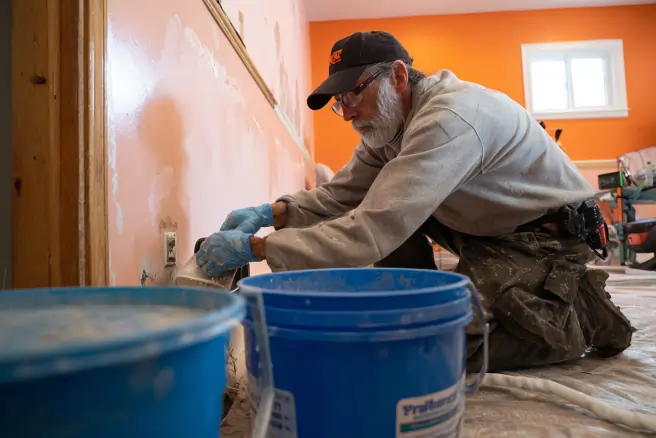
 Mold can pose serious risks to both property and health, making its proper removal a critical task. While many homeowners may attempt to remediate mold themselves, professional mold remediation ensures the process is thorough, safe, and effective. Below, we explore the importance of professional mold remediation and outline what the process typically involves.
The Importance of Hiring Mold Remediation Professionals Vero Beach FL
- Health Safety: Mold exposure can lead to various health problems, including respiratory issues, allergies, skin irritation, and even more severe conditions like asthma exacerbation. Professionals are equipped to handle mold without spreading spores into the air, minimizing health risks.
- Thorough Removal: DIY methods often tackle surface-level mold but fail to address underlying causes or hidden mold colonies. Professionals use advanced tools and techniques to locate and eliminate mold from all affected areas.
- Prevention of Further Damage: Mold can cause structural damage to walls, ceilings, and floors if left untreated. Professional remediation not only removes the current mold but also prevents further property deterioration.
- Compliance with Regulations: Certain states or municipalities may have regulations regarding mold removal, particularly in rental or commercial properties. Hiring licensed professionals ensures compliance with local laws and guidelines.
Effective Mold Removal Vero Beach FL: Understanding the Process
1.Inspection and Assessment
- Professionals begin by identifying the type and extent of mold growth.
- Tools such as moisture meters and thermal imaging cameras are used to detect hidden mold.
- A detailed plan is developed based on findings.
2.Containment
- Containment prevents the spread of mold spores to unaffected areas.
- Techniques include sealing off areas with plastic sheeting and using negative air pressure machines.
3.Air Filtration
- High-Efficiency Particulate Air (HEPA) filters are used to capture mold spores in the air.
- Air scrubbers improve indoor air quality during the remediation process.
4.Mold Removal
- Contaminated materials like drywall, insulation, or carpeting may be removed if necessary.
- Non-porous surfaces are cleaned using antimicrobial agents or specialized cleaning solutions.
5.Repair and Restoration
- Damaged structures are repaired or replaced to restore the property to its original condition.
- Professionals often provide recommendations to prevent future mold issues, such as addressing leaks or improving ventilation.
Understanding Mold Inspection Vero Beach FL: DIY vs Professional Remediation
| Aspect | DIY Mold Removal | Professional Mold Remediation |
| Effectiveness | Often limited to surface areas | Comprehensive, addresses hidden mold |
| Health Risks | Higher risk of exposure to spores | Minimized through proper containment |
| Cost | Lower upfront cost | Higher upfront cost, but long-term savings |
| Time | May take longer | Faster due to expertise and equipment |
| Prevention | Unlikely to prevent recurrence | Preventative measures provided |
Timeliness Matters in Water Damage Restoration Vero Beach FL
Mold spreads rapidly in favorable conditions, such as areas with high moisture or humidity.
– Mitigate health risks associated with prolonged exposure.
– Reduce repair costs by addressing mold before it causes extensive structural damage.
– Restore your home or business to a safe, habitable condition.
Key Considerations for Mold Remediation Vero Beach FL
Professional mold remediation is essential for effectively addressing mold issues while safeguarding health and property. Attempting to handle mold without proper training or equipment can worsen the problem, so it’s always advisable to seek expert assistance for thorough and lasting results.
Effective Vero Beach FL Mold Remediation Tips to Eliminate and Prevent Mold
Addressing mold infestations requires a thorough and methodical approach to ensure complete removal and prevent future occurrences. Below is a detailed guide on how to effectively eliminate mold and safeguard your home from its return.
Step 1: Identify the Source of Moisture
Mold thrives in damp environments, so identifying and addressing the source of moisture is critical.
– Leaking pipes or roofs
– Poor ventilation in areas like bathrooms and basements
– High indoor humidity levels exceeding 60%
Use tools such as a moisture meter to detect hidden moisture or hire professionals for a comprehensive inspection.
Step 2: Contain the Affected Area
To prevent the spread of mold spores, it’s essential to isolate the impacted area.
– Sealing off doors or openings using plastic sheeting
– Turning off HVAC systems to avoid spreading spores through vents
Containment helps limit contamination while remediation is underway.
Step 3: Wear Proper Protective Gear
Direct exposure to mold can pose health risks.
– N95 respirators or masks
– Gloves (preferably nonporous materials, like nitrile)
– Safety goggles or shields to protect your eyes
This will help minimize exposure during remediation efforts.
Step 4: Remove Visible Mold Growth
Once the area is contained, proceed with removing visible mold from surfaces.
| Material Type | Recommended Action |
| Hard surfaces (e.g., tiles) | Scrub with water and detergent; avoid bleach unless necessary for discoloration issues |
| Porous materials (e.g., drywall) | Remove and discard if contamination is extensive |
| Soft goods (e.g., carpets) | Steam clean where possible; otherwise, consider replacement |
Be cautious not to disturb dry areas of mold unnecessarily, as this may release more spores into the air.
Step 5: Clean Contaminated Air and Surfaces
After visible mold removal, thoroughly clean all surfaces using specialized products like antimicrobial cleaners designed for mold remediation.
– Use HEPA vacuum cleaners to remove loose debris and spores from nonporous surfaces
– Run air scrubbers equipped with HEPA filters during cleanup to capture airborne particles
This step ensures both surface-level cleaning and air purification.
Step 6: Dry Everything Completely
Drying out the area is crucial for preventing recurrence.
– Using dehumidifiers in affected spaces until humidity levels are below 50%
– Improving airflow by opening windows or running fans where appropriate
Remember, even small amounts of lingering moisture can lead to new growth over time.
Step 7: Address Underlying Issues for Long-Term Prevention
To prevent future infestations, fix any underlying issues contributing to dampness or poor ventilation in your home.
1.
2.
3.
4.
By tackling these root causes proactively, you reduce both current risk factors contributing directly toward increased spore buildup indoors alongside improving overall household comfort too
Effective Mold Remediation Vero Beach FL: Recognizing Signs and Taking Action
Identifying mold growth early is critical for protecting both your home and health. Mold can spread quickly, especially in moist or humid environments, causing structural damage and posing significant health risks. Below is a guide to recognizing the signs of mold growth and understanding when it’s time to act.
Mold can develop in both visible and hidden areas.
- Water Stains or Discoloration: Yellowish stains on walls or ceilings suggest water damage, which can lead to mold growth over time.
- Warped Flooring: Wooden floors that warp or buckle could indicate water exposure and potential mold issues beneath the surface.
Hidden Areas Prone to Mold Growth
Mold doesn’t always grow in plain sight.
- Inside Walls: Leaks from pipes often lead to mold within wall cavities.
- HVAC Systems: Ductwork provides a dark and humid environment perfect for mold spores.
- Under Carpets: Moisture trapped under carpets after spills or flooding encourages rapid mold growth.
- Behind Appliances: Areas behind refrigerators, washing machines, and dishwashers are often overlooked during routine cleaning.
Health Symptoms Linked to Mold Exposure
Sometimes the first sign of a mold problem comes from its impact on your health.
- Nasal congestion
- Persistent coughing
- Irritated eyes
- Skin rashes
- Headaches or fatigue
Individuals with asthma, allergies, or compromised immune systems are particularly vulnerable to the effects of indoor mold.
When Should You Take Action?
If you notice any signs of mold growth—visible patches, persistent odors, or water damage—it’s essential to take action promptly.
- Structural damage as materials like drywall and wood deteriorate over time.
- Escalating repair costs due to widespread contamination.
- Increased health risks for everyone living in the space.
- Addressing moisture sources (e. g. , fixing leaks).
- Cleaning small areas with appropriate products (e. g. , diluted bleach solutions).
- Contacting professional remediation services if the infestation covers more than 10 square feet.
DIY vs Professional Assistance
While minor surface-level cases of mold may be resolved using store-bought cleaners, extensive infestations call for professional intervention. Experts use specialized equipment such as air scrubbers and HEPA vacuums to ensure proper removal without spreading spores further.
| Situation | Recommended Approach |
| Small patch (<10 sq ft) | DIY cleaning with vinegar/bleach |
| Large infestation (>10 sq ft) | Professional remediation services |
| Recurrent problems | Inspection by HVAC specialists |
Recognizing early signs of mold allows you to address problems before they escalate into dangerous situations affecting both your property and well-being. Stay vigilant by inspecting vulnerable areas regularly and acting promptly when needed.
Effective Mold Removal Vero Beach FL: Signs of Growth and When to Act
Mold growth can be a serious issue in any home. Identifying the signs early and understanding when to take action is essential for protecting both your property and your health. Mold thrives in environments with excess moisture, making it critical to remain vigilant, particularly in areas prone to dampness or water damage. Below is a comprehensive guide to recognizing the warning signs of mold growth.
- Watch for discoloration on drywall, wallpaper, or tile grout.
- A strong musty or earthy smell is often one of the first indicators of hidden mold growth.
- Pay attention to areas like basements, crawl spaces, or under sinks where odors may linger.
- Excessive moisture can cause paint and wallpaper to bubble or peel away from walls. This may signal mold behind the surface.
- Look for water stains on ceilings and walls as well as damp patches on floors. These conditions create an ideal environment for mold development.
- Unexplained allergic reactions such as sneezing, coughing, itchy eyes, or skin irritation could indicate mold exposure.
- Prolonged exposure might lead to more severe respiratory issues such as asthma attacks.
Where Mold Is Most Likely to Grow
| Area | Potential Cause of Mold Growth |
| Bathrooms | Poor ventilation and high humidity |
| Kitchens | Leaky faucets and condensation |
| Basements | Groundwater seepage or poor drainage |
| Attics | Roof leaks and inadequate airflow |
| HVAC Systems | Clogged filters or condensation |
When Should You Take Action?
- Small Areas (Less than 10 square feet):If you detect minor mold growth in isolated spots like bathroom corners or beneath sinks, you may be able to handle the cleanup yourself using proper cleaning agents (e. g. , bleach solutions) while wearing protective gear.
- Widespread Growth:For large-scale infestations affecting multiple rooms or hidden within walls/flooring materials, hiring professional remediation services is critical.
- Recurrent Issues:If you repeatedly notice mold despite cleaning efforts, underlying conditions such as plumbing leaks need immediate resolution.
- Health Concerns:Consult a professional if household members experience ongoing symptoms that suggest toxic mold exposure.
Tips for Preventing Further Mold Growth
- Control indoor humidity levels (ideally between 30–50%) using dehumidifiers where necessary.
- Ensure proper ventilation by using exhaust fans in bathrooms and kitchens.
- Regularly inspect plumbing systems for leaks that can contribute excess moisture indoors.
- Promptly repair roof damage and keep gutters clear of debris.
- Replace HVAC filters regularly and schedule periodic maintenance checks for air circulation systems.
Proactively identifying these signs ensures timely intervention before the problem worsens—saving money on repairs while safeguarding both your home’s structural integrity and its occupants’ well-being.
How a Mold Specialist Vero Beach FL Can Help Prevent Indoor Mold Issues Through HVAC Replacement
Mold growth in indoor environments can be a persistent and hazardous issue, often tied to poor ventilation or inadequate HVAC systems. Upgrading or replacing your HVAC system is a proactive measure that can significantly reduce the likelihood of mold development. Below, we’ll explore how HVAC replacement plays a critical role in preventing mold problems and maintaining a healthier indoor environment.
How HVAC Systems Contribute to Mold Growth
Poorly maintained or outdated HVAC systems can create conditions that are conducive to mold growth.
- Excess Moisture: If the HVAC system fails to regulate humidity levels, it can leave excess moisture in the air, one of the primary factors contributing to mold development.
- Dirty Ducts: Dust and debris in HVAC ducts can trap moisture, creating an ideal environment for mold spores to settle and grow.
- Inconsistent Airflow: Inefficient HVAC systems may not circulate air effectively, leading to areas of stagnant, humid air where mold can thrive.
- Leaks and Condensation: Aging HVAC units may develop leaks or condensation issues that can introduce water to areas where mold can form.
Benefits of HVAC Replacement in Mold Prevention
Replacing an outdated or inefficient HVAC system can provide long-term solutions for managing indoor air quality and humidity levels.
- Improved Humidity Control
Modern HVAC systems are equipped with advanced features that regulate indoor humidity more effectively. Keeping relative humidity levels between 30-50% minimizes the chance for mold growth. - Enhanced Air Filtration
Newer systems often include high-efficiency particulate air (HEPA) filters or other advanced filtration options. These help capture mold spores before they can spread throughout your home. - Better Air Circulation
Improved airflow ensures consistent circulation, preventing the formation of damp, stagnant areas where mold could grow. - Energy Efficiency
Modern systems are not only effective but also energy-efficient, reducing the risk of moisture buildup due to overworked or malfunctioning units.
Key Features to Look for When Replacing Your HVAC System
| Feature | Benefit |
| Humidity Control | Maintains optimal levels to inhibit mold. |
| Air Purification | Filters out mold spores and allergens. |
| Smart Thermostats | Allows precise temperature and humidity management. |
| Sealed Ductwork | Prevents moisture leaks and contamination. |
| Energy Star Rating | Ensures efficient operation with minimal moisture risks. |
Maintenance Tips for Your New HVAC System
Even with a newly installed HVAC system, regular maintenance is essential to prevent mold issues.
- Change Filters Regularly: Replace air filters every 1-3 months to maintain airflow and filtration efficiency.
- Schedule Routine Inspections: Have a professional inspect your HVAC system annually to identify and address potential issues.
- Clean Ductwork as Needed: Periodic duct cleaning removes dust, debris, and mold spores that may accumulate over time.
- Monitor Humidity Levels: Use a hygrometer to ensure your home stays within the recommended humidity range.
Conclusion
Replacing an outdated HVAC system is a smart investment in preventing mold issues and promoting a healthier indoor environment. By selecting the right system and adhering to proper maintenance practices, you can drastically reduce the risk of mold growth while improving air quality and comfort in your home.
The Role of HVAC Replacement in Preventing Mold Issues Indoors
Properly maintaining and, if necessary, replacing your HVAC system plays a critical role in preventing mold issues indoors. Mold thrives in damp, humid environments, and an outdated or poorly functioning HVAC system can create the perfect conditions for mold to develop and spread. Below, we explore how HVAC systems contribute to mold problems, the signs that it may be time for a replacement, and how an upgraded system can help safeguard your home.
How HVAC Systems Can Contribute to Mold Issues
HVAC systems are designed to regulate temperature and humidity levels in your home. However, when these systems are not functioning as they should, they can inadvertently contribute to mold growth.
- Inadequate Humidity Control
A malfunctioning HVAC system may fail to effectively control indoor humidity levels, leading to excess moisture in the air. Mold thrives in environments where relative humidity exceeds 60%. - Dirty or Clogged Air Ducts
Dust, debris, and moisture can accumulate in air ducts over time. If these ducts are not cleaned regularly, they can provide a breeding ground for mold spores. - Leaking or Poorly Insulated Ductwork
Leaks or condensation in HVAC ducts can introduce moisture into walls, ceilings, and other areas of your home, creating conditions conducive to mold growth. - Improper Sizing of HVAC Systems
HVAC systems that are too large or too small for the space they serve can create uneven temperature and airflow, which may lead to moisture problems.
When to Consider Replacing Your HVAC System
While regular maintenance can extend the lifespan of an HVAC system, there are situations where replacement is a more effective solution for preventing mold problems.
- Persistent Indoor Humidity Issues
If your current HVAC system consistently fails to manage humidity levels, it may be outdated or improperly sized for your home. - Frequent Repairs and Maintenance
A system that requires constant repairs may no longer be efficient and could be contributing to higher moisture levels. - Visible Mold in or Around Ductwork
Mold growth in or around your HVAC system is a clear indicator that something is wrong. In such cases, replacing the system may be more cost-effective than attempting to clean and repair it. - Energy Inefficiency
Older systems often consume more energy and struggle to maintain a comfortable indoor climate. Replacing them with modern, energy-efficient models can help balance temperature and humidity more effectively.
Benefits of Upgrading Your HVAC System to Prevent Mold
Investing in a new HVAC system can significantly reduce the risk of mold problems in your home.
- Improved Humidity Control
Modern HVAC systems often come equipped with advanced dehumidification features, helping to keep indoor humidity levels in the optimal range (30–50%). - Enhanced Ventilation
Upgraded systems provide better air circulation, reducing stagnant air pockets where mold might flourish. - Energy Efficiency and Cost Savings
Newer models are designed to be more energy-efficient, which not only lowers utility bills but also reduces conditions that encourage mold growth. - Built-in Air Purification
Some high-end systems include air purification technology that filters out mold spores, allergens, and other contaminants from the air.
Quick Comparison: Old vs.
| Feature | Old HVAC Systems | New HVAC Systems |
| Humidity Control | Limited or inconsistent | Advanced and efficient |
| Energy Efficiency | Low | High |
| Mold Prevention Features | Minimal | Integrated dehumidification |
| Maintenance Requirements | Frequent | Less frequent |
Replacing an outdated HVAC system is a smart investment for both your home’s air quality and your overall health. By addressing moisture issues at their source, you can create a more comfortable and mold-free living environment.